
How Do You Learn to Judge Work You Have Never Learned to Do?
If AI writes the briefing, produces the analysis and builds the stakeholder map, how does a junior public affairs professional learn to judge whether any of it is good?
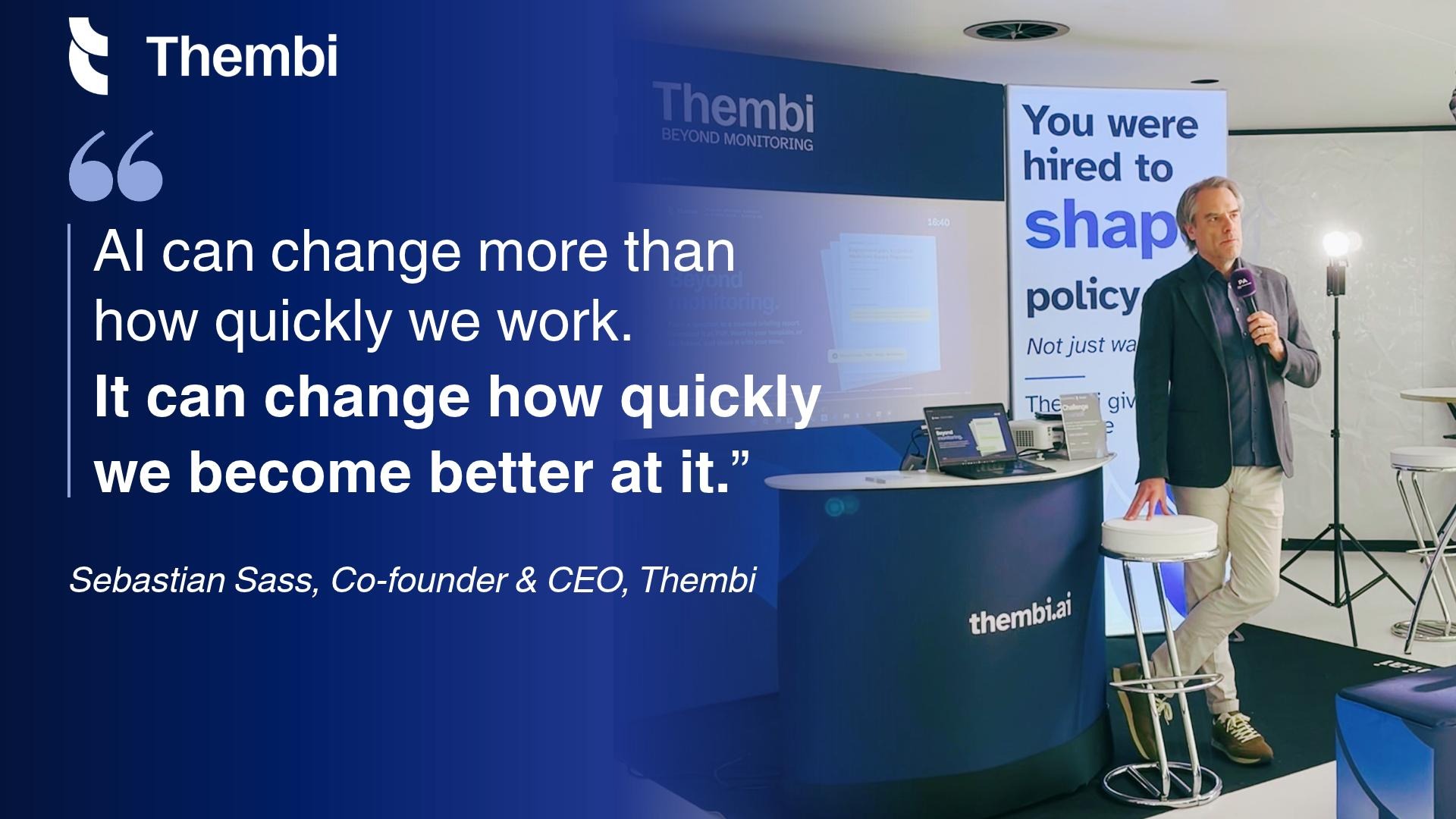
If AI writes the briefing, produces the analysis and builds the stakeholder map, how does a junior public affairs professional learn to judge whether any of it is good?
That question featured in my preparation for our panel at the Public Affairs Summit in Brussels on how to build teams that can make full use of AI. It goes beyond learning to use new tools. It concerns how we develop professional competence when technology takes over much of the work through which we acquired it ourselves.
The concern is serious. But perhaps it also contains a flawed assumption.
Perhaps they simply won’t have to
I have often heard senior engineers describe how they learned to produce precise technical drawings by hand before computer-aided design took over. Some wondered how future professionals could ever master the profession without learning to draw the same way.
Yet no one would seriously argue today that CAD has made engineers worse at their profession. Even so, I caught myself entertaining the same concern about public affairs when I first began working with AI. Writing policy reviews, developing strategies and building stakeholder maps taught us how to think in this profession. Producing the work forced us to understand the material, notice gaps and decide whether an argument held together.
If AI increasingly handles those tasks, what happens to that learning process? Will future professionals become dependent on its output, unable to exercise independent judgement?
How will they manage without learning the way we did?
Perhaps they simply won’t have to.
Perhaps that particular route to competence will cease to matter. The competence itself will remain essential.
We may be confusing mastery of a particular production method with mastery of the actual task. Writing a policy paper taught me to think. That tells us something about how I learned. It does not establish that it is the only way to get there.
A different route—and potentially a faster one
Imagine a junior public affairs professional with far more information available than we ever had, and the tools to turn it into something actionable.
They can test competing explanations, explore possible coalitions, examine objections, defend an argument and then ask for the strongest case against it. They can change an assumption and examine how it affects the strategy. They can investigate why an apparently compelling compromise might be unacceptable to one of the parties whose support it needs.
In a continuous feedback loop: working alongside AI, being challenged by it and challenging it back.
That could be a powerful learning process. A junior colleague could explore more alternatives, encounter more objections and test more of their reasoning in an afternoon than an old assignment allowed in a week.
The opportunity is to develop the ability to ask better questions, distinguish evidence from inference and recognise when a persuasive answer rests on a weak assumption. AI can help exercise those abilities repeatedly, with experienced colleagues guiding the process and actual events testing the conclusions.
Who knows? Someone who learns through that route may become much better at challenging AI than those of us who still approach it as a sophisticated search engine—and get there much faster. The opportunity is to become much better at the profession itself, much sooner.
Our difficulty imagining a different route to competence is not evidence that the next generation cannot find one. It may reveal more about the limits of our own imagination than about their potential to become far more competent than we ever became through the methods we know.
Automating the assignment leaves a responsibility
For organisations, this has an immediate implication. When we automate an assignment that used to teach someone something important, we need to decide how that learning will happen now.
A junior colleague might previously have spent a day preparing a stakeholder analysis. If AI can produce the starting material quickly, the next assignment could be to challenge it. Which important actor is missing? Which apparent alliance would fall apart under pressure? Which conclusion is supported by evidence, and which merely sounds plausible?
Ask them to defend their judgement. Then change the assumptions and ask again.
That gives senior colleagues a different role too. Their experience can help reveal the political constraints, institutional habits and human motivations that a polished analysis may overlook. They can explain why an argument that works on paper fails in a meeting, or why a seemingly unlikely coalition can nevertheless hold together.
And junior colleagues need opportunities to see what happens next: to join conversations, observe negotiations and compare the assumptions in an analysis with the behaviour of the people it describes.
We should assess whether someone can explain and defend a judgement, including when they disagree with the tool that helped produce it.
What should we recruit and develop for?
This also changes what we should look for in people. Curiosity, the ability to frame a problem, willingness to challenge an answer and readiness to revise one’s own position become central to making this learning process work.
Knowing how to produce a polished document will tell us less about someone’s competence when a polished document is readily available. We will need to look more closely at what they notice, what they question and what they do with the information in front of them.
The same applies to experienced professionals. We also need to learn how to use AI to expose gaps in our reasoning and explore possibilities beyond our own experience. Seniority does not make that learning unnecessary.
Building a team that is competent to make full use of AI means deliberately developing its human expertise. Training, working habits and responsibilities have to evolve alongside the tools.
The question is which capabilities we retain, which we develop differently and which new ones become possible.
AI can change more than how quickly we work. It can change how quickly we become better at it.
Turn insight into your next decision.
Ask Thembi to connect EU policy developments, analyse documents and generate reports with sources you can check.
Take the free trialOriginally published on Substack. Consider subscribing there for updates.
Other Signals
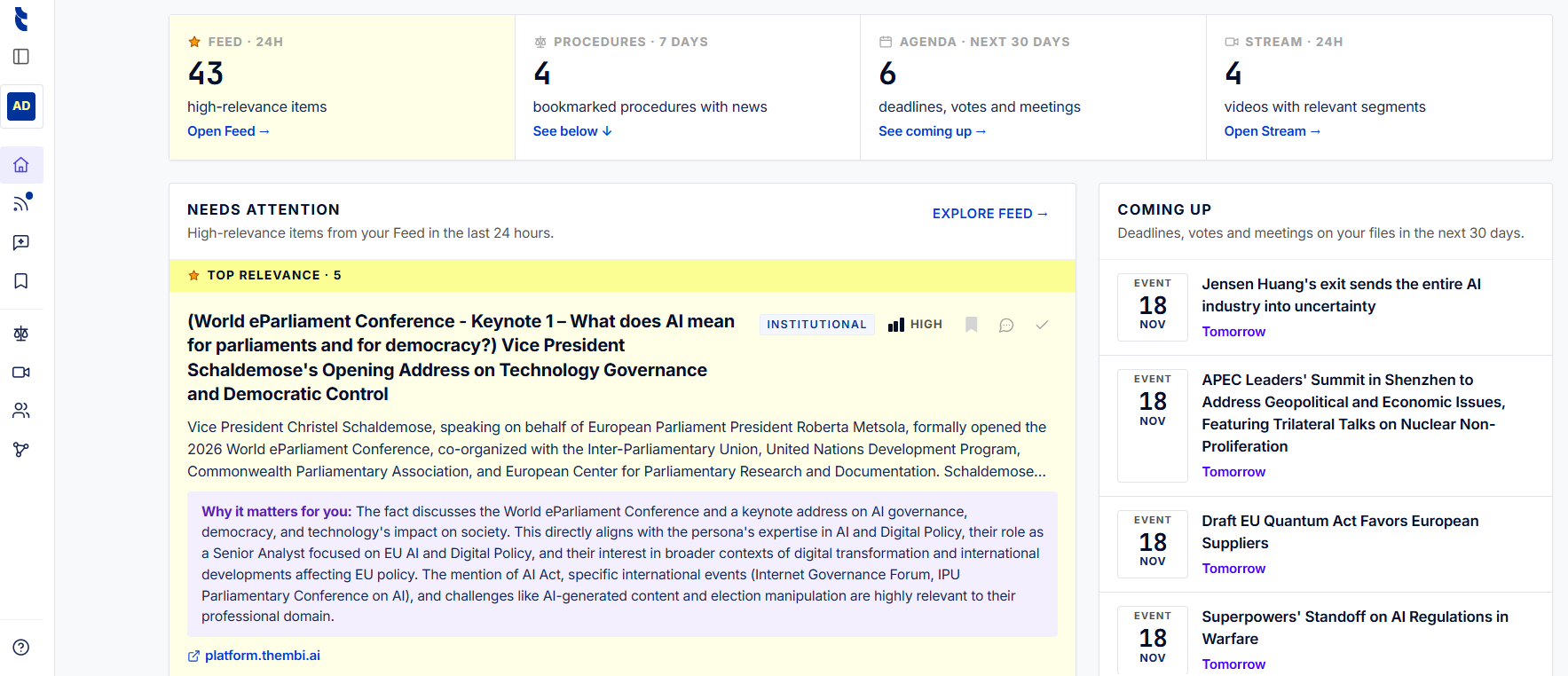
Introducing the new Thembi: A clearer, more personalised experience
Less time navigating. More time focusing on what matters.
 Veronica Abbiati
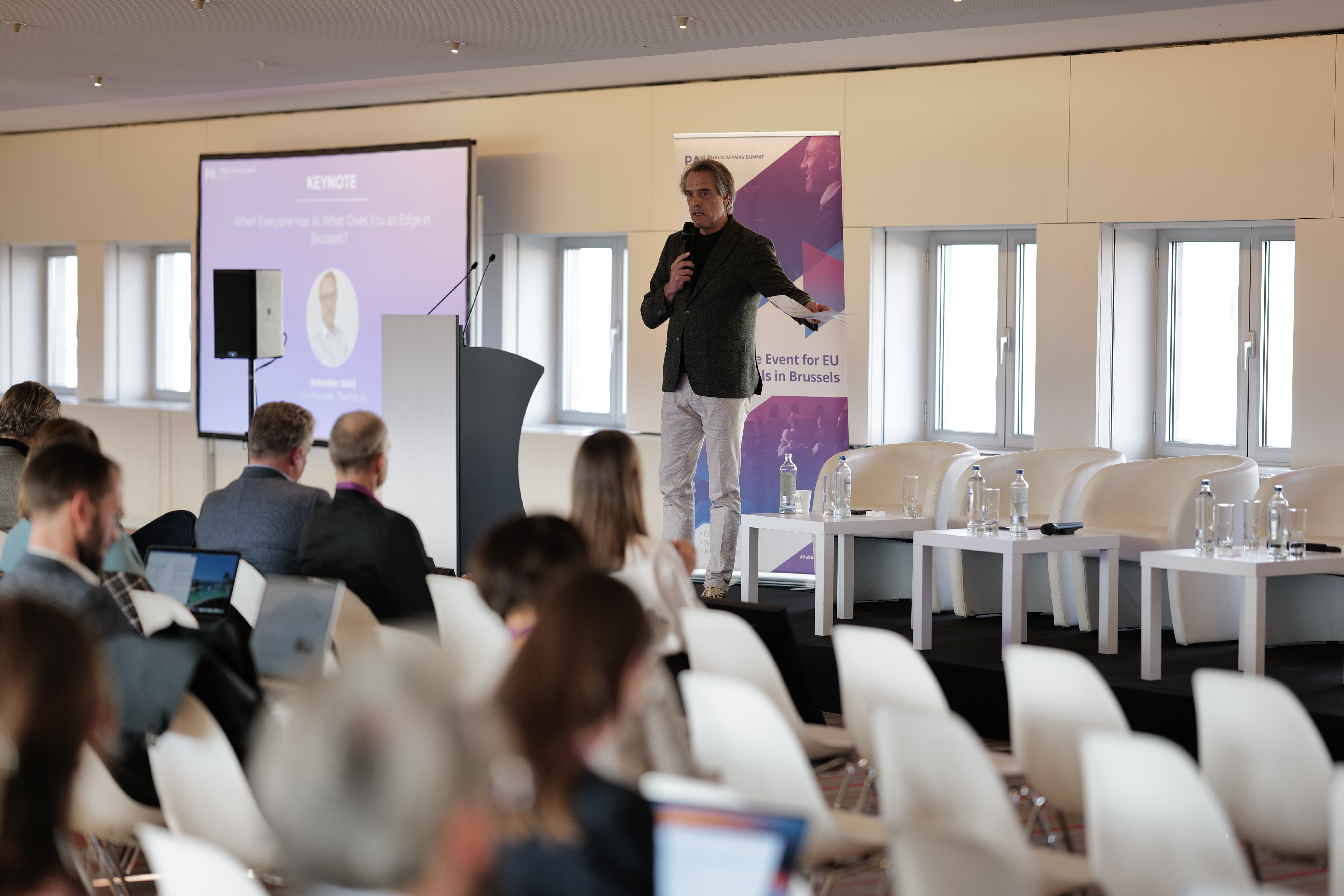
When Everyone Has AI, What Gives You an Edge in Brussels?
Public affairs will remain a people business.
 Sebastian Peter Sass
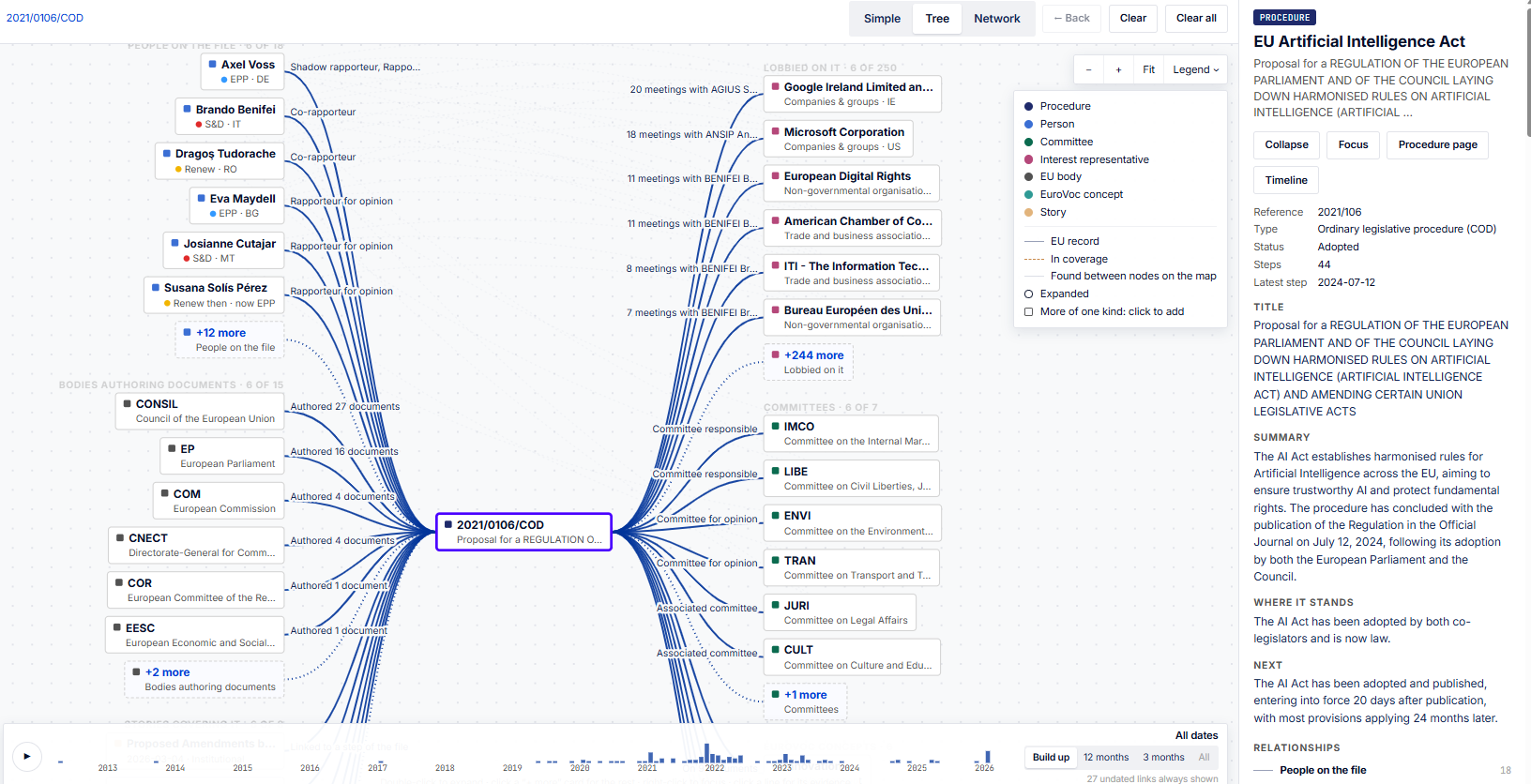
Beyond Monitoring: Discover the Latest Thembi Innovations
Thembi is continuously being updated.
 Alistair Stubbs